Peak and demand management
A controlled discharge strategy can reduce selected peaks or reshape site demand.
WHAT MAKES IT TRUERequires interval data, tariff analysis and correct power/energy sizing. METRO POWERBESS & MicrogridsDiscuss this solution ↗
BESS & Microgrids
Storage and microgrid solutions structured around load data, tariff, outages, renewables, site and interconnection.
← Explore all Metro Power solutions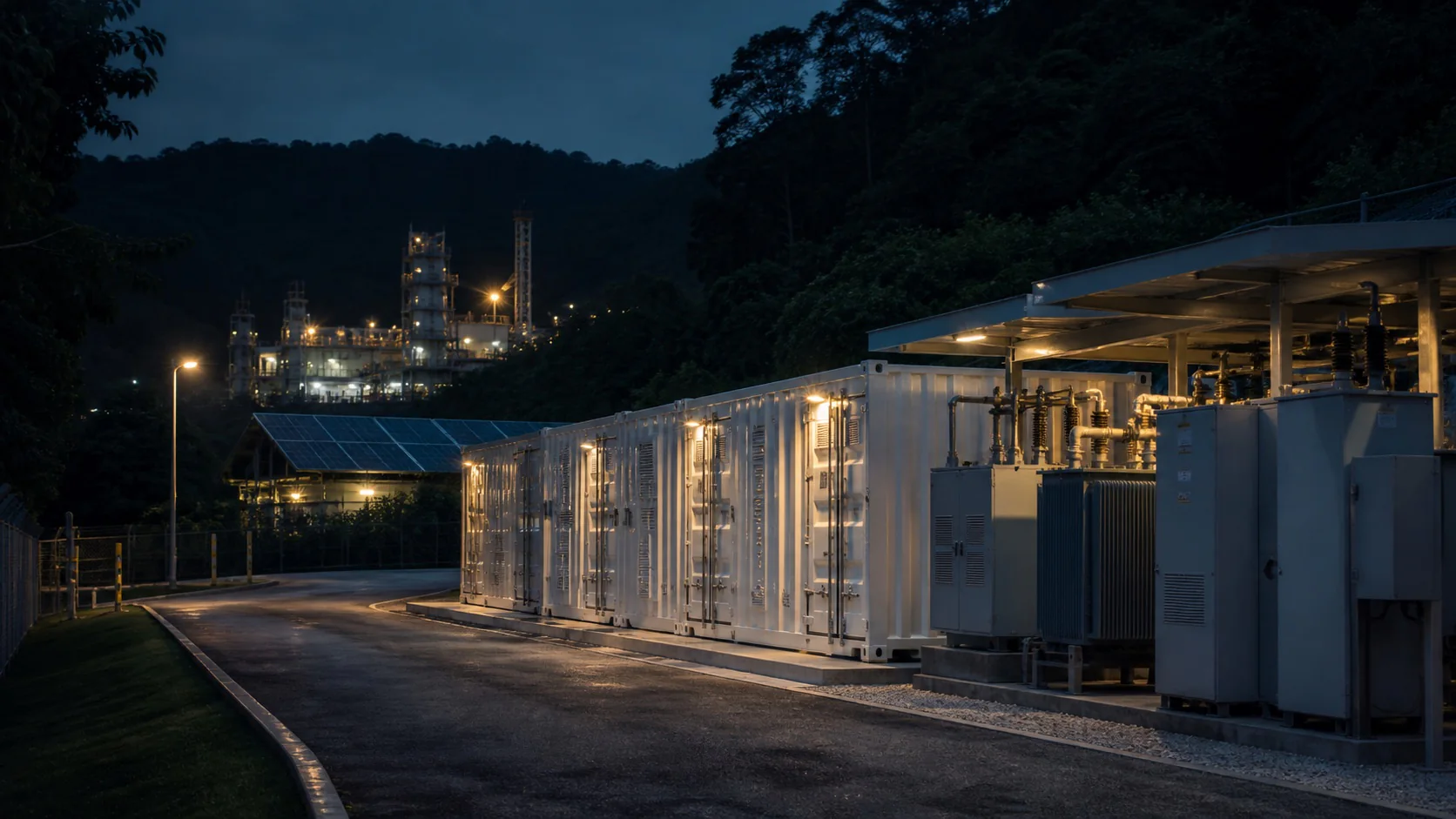
A BESS stores electrical energy and releases it when needed. The deployable system combines batteries and BMS with PCS, EMS, protection, thermal management, fire strategy, transformer, switchgear and controls.
Battery storage can shift, support or back up energy according to a defined operating objective. The benefit changes with the owner, tariff, critical loads, renewable generation and control strategy.
A controlled discharge strategy can reduce selected peaks or reshape site demand.
WHAT MAKES IT TRUERequires interval data, tariff analysis and correct power/energy sizing.Storage can absorb selected solar production and release it when the operating plan calls for it.
WHAT MAKES IT TRUEDepends on generation profile, load, controls and interconnection rules.A properly designed system can support defined critical loads during eligible outage conditions.
WHAT MAKES IT TRUEBackup duration is limited by available energy, load and system configuration.BESS, solar, grid and generator resources can be dispatched as a coordinated system.
WHAT MAKES IT TRUERequires engineered controls, protection, transition logic and operating ownership.Critical lighting, communications, refrigeration or other designated loads may remain available during supported events.
WHAT MAKES IT TRUEOnly loads included in the approved backup design are supported.Stored solar energy can be used later instead of being limited to the moment it is generated.
WHAT MAKES IT TRUEActual benefit depends on load timing, storage capacity and dispatch.Fast controls may help the facility manage selected power transitions and operating disturbances.
WHAT MAKES IT TRUEPerformance depends on the engineered system and protection scheme.Storage can enable greater renewable participation and reduced generator runtime in suitable projects.
WHAT MAKES IT TRUEEnvironmental benefit depends on the charging source and operating strategy.Follow the journey from physical equipment to the decision a customer or operator can act on.
Battery racks and BMS manage cells and state of charge.
→PCS controls AC/DC conversion and charge/discharge.
→EMS dispatches against load, solar, generator, tariff or resilience goals.
→Protection, thermal management and interconnection make the system safe and operable.
Stored energy is coordinated by power conversion, controls, protection and the site’s real operating priorities.
Available supply, generation variability and site demand define when energy can be stored and why it should be dispatched.
ILLUSTRATIVE OPERATING CONTEXTGrid or renewable energy enters
Controls manage charge and state of energy
Power serves the operating priority
This visual explains system behavior. Final performance depends on approved design, field conditions, configuration and operating discipline.
Use this short film as orientation, then continue into the system architecture, technical lesson or readiness action.
Connect the battery, BMS, PCS, EMS, protection and dispatch strategy to a clearly defined operating job.
We close the gaps between the manufacturer’s product, Philippine site conditions and the people who must operate the system.
A solution is complete only when technical behavior, project evidence and operating ownership remain connected.
Use-case statement, load data, reserve and baseline
Interval profile, SLD, studies, site and exact configuration
Hazard analysis, protection, emergency plan and authority review
Dispatch rules, acceptance tests, training and performance records
Use interval demand, critical-load and operating scenario data.
Verify supported mode, transition, protection and island tests.
Model usable energy, auxiliaries, degradation and continuing cost.
Product and equipment references presented in a consistent engineering-grade system. Every visual now states what kind of source it is; choose by operating requirement, not appearance alone.
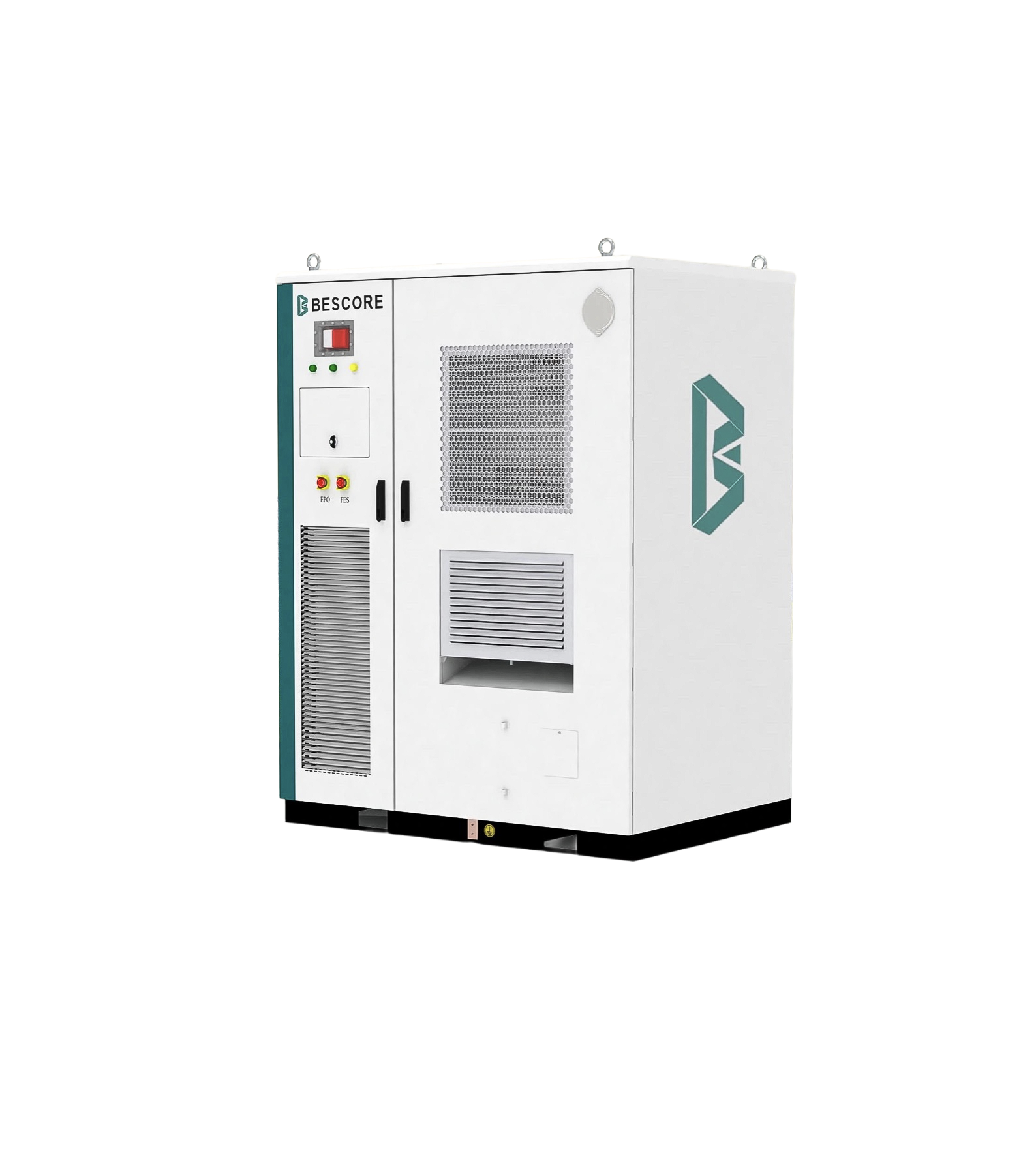 Profile-backedFidelity-safe studio treatment
BSC-CE2-0105K0215K
Modular C&I or microgrid system.
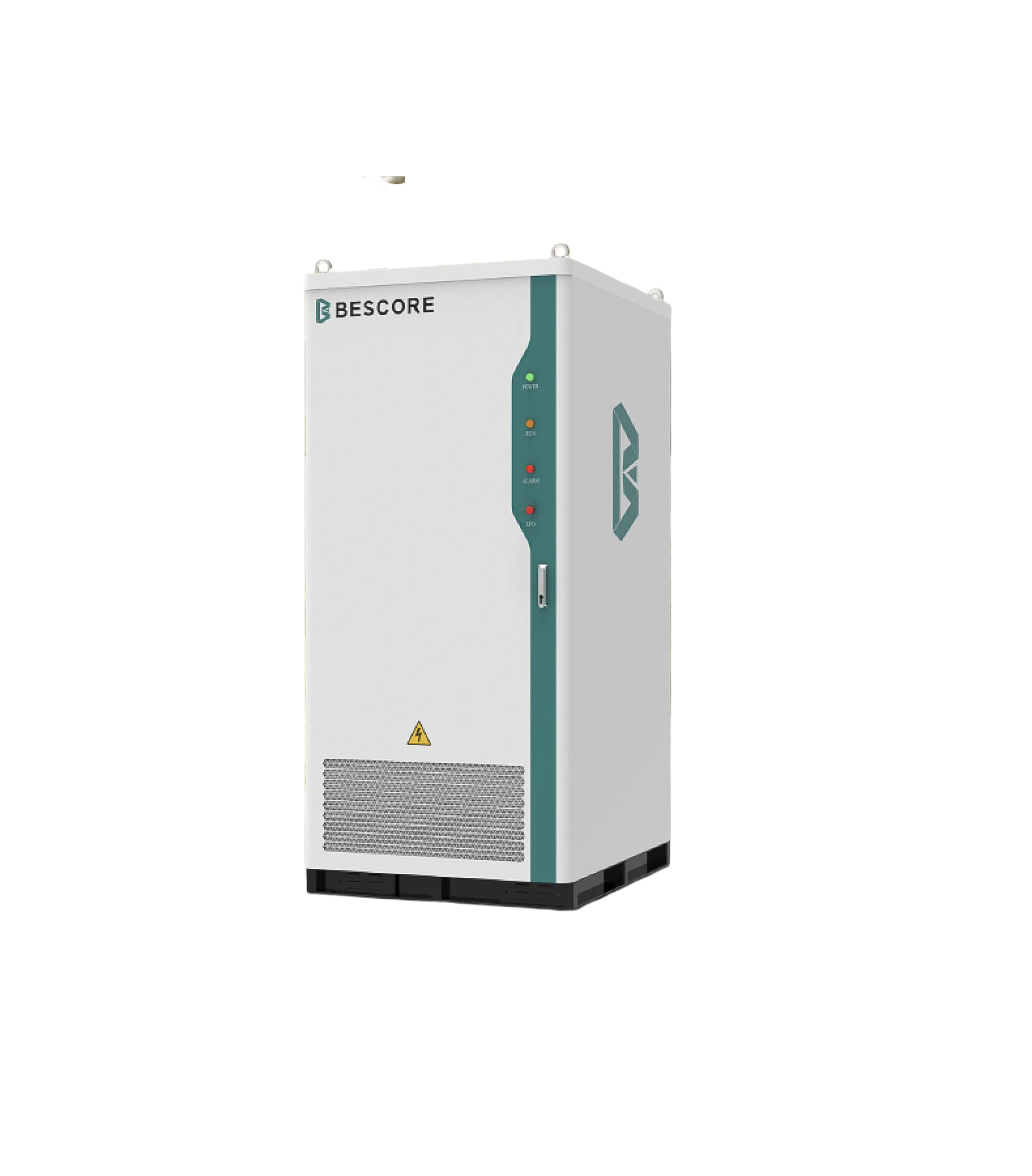 Profile-backedFidelity-safe studio treatment
BSC-CE4-0125K0261K
Compact liquid-cooled C&I platform.
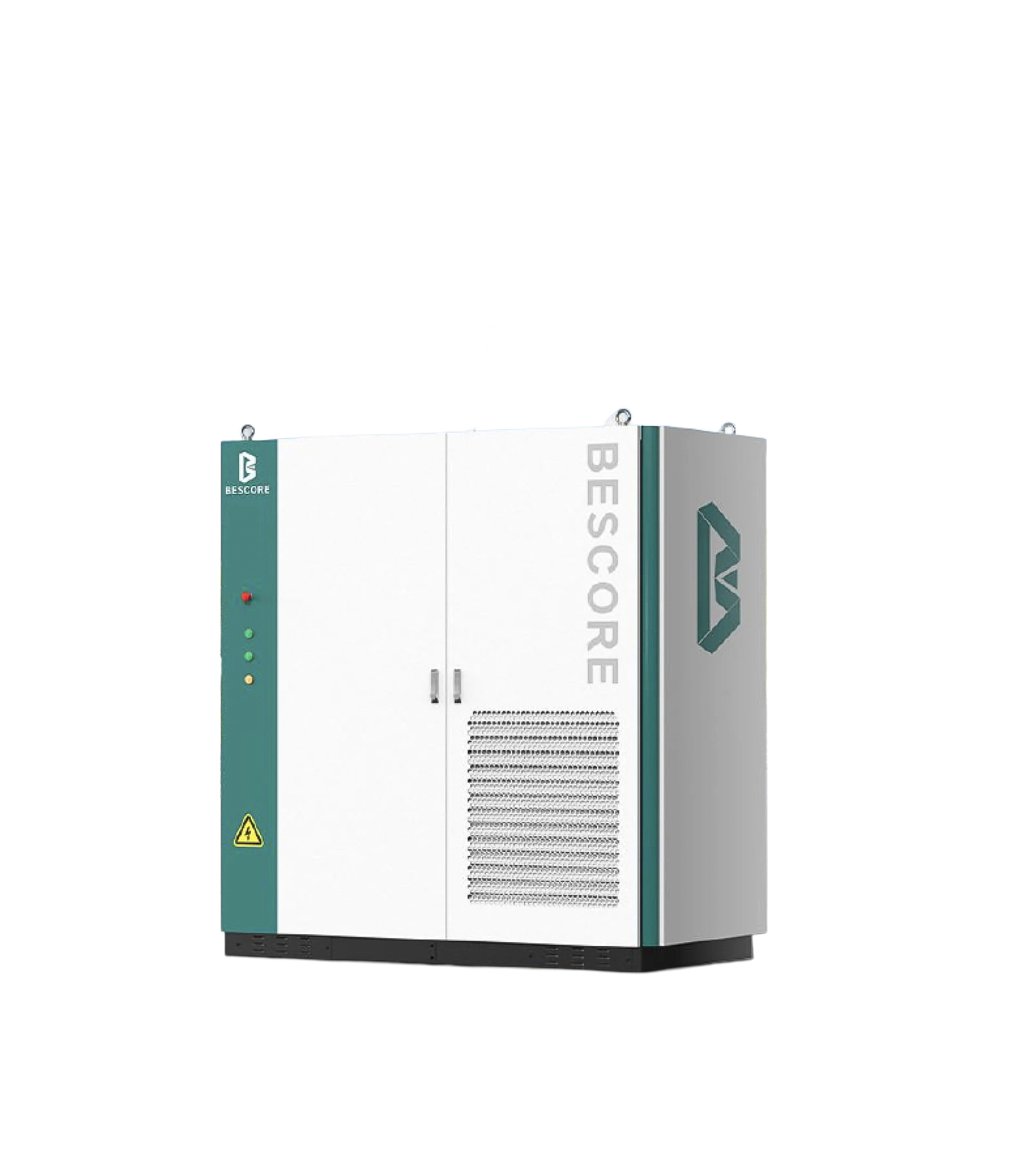 Profile-backedFidelity-safe studio treatment
BSC-CD2-0050K0200K / BSC-CD2-0100K0200K
Integrated hybrid microgrid solution.
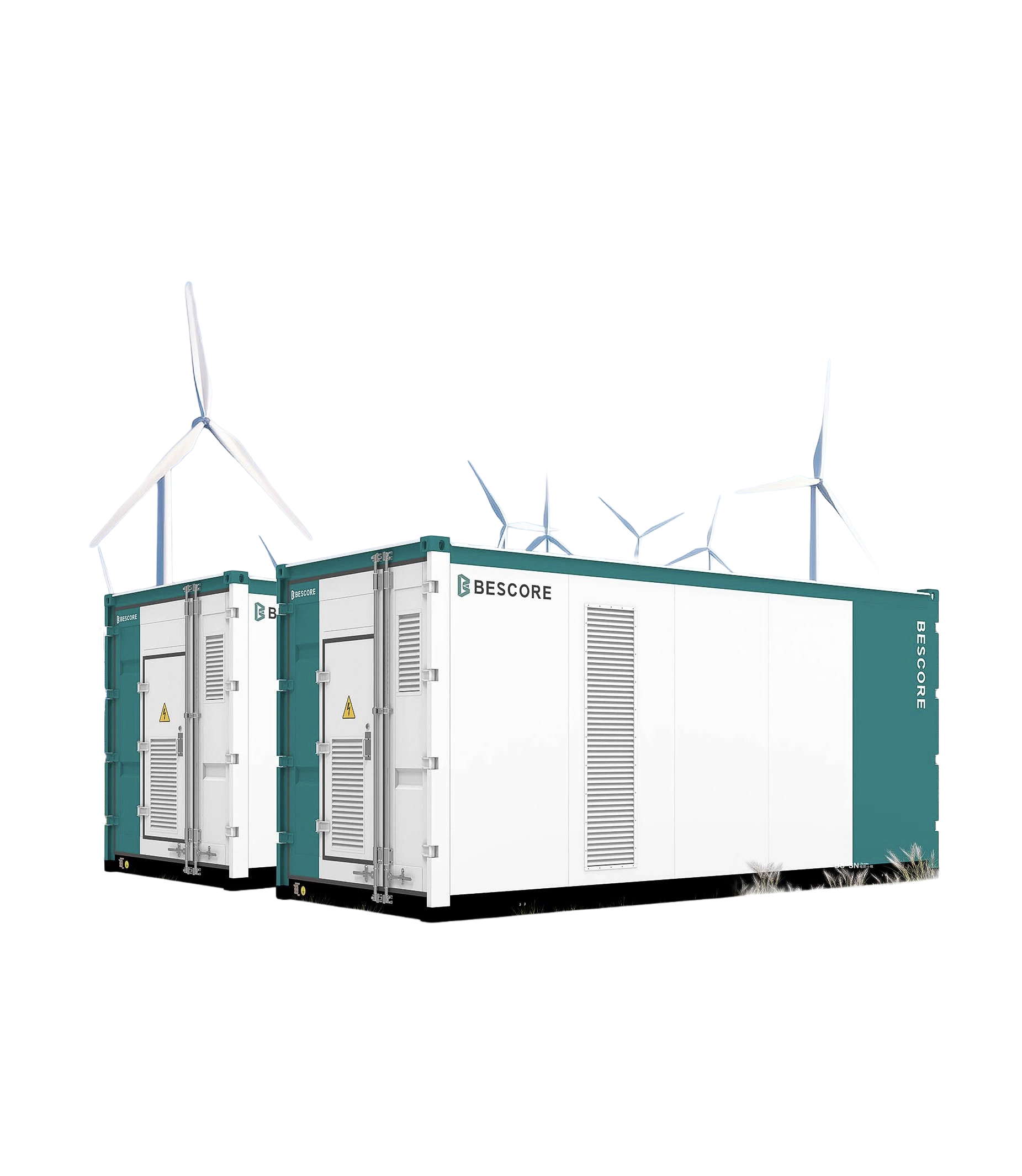 Profile-backedFidelity-safe studio treatment
BSC-CB1-0500K1075K
Containerized commercial and industrial storage.
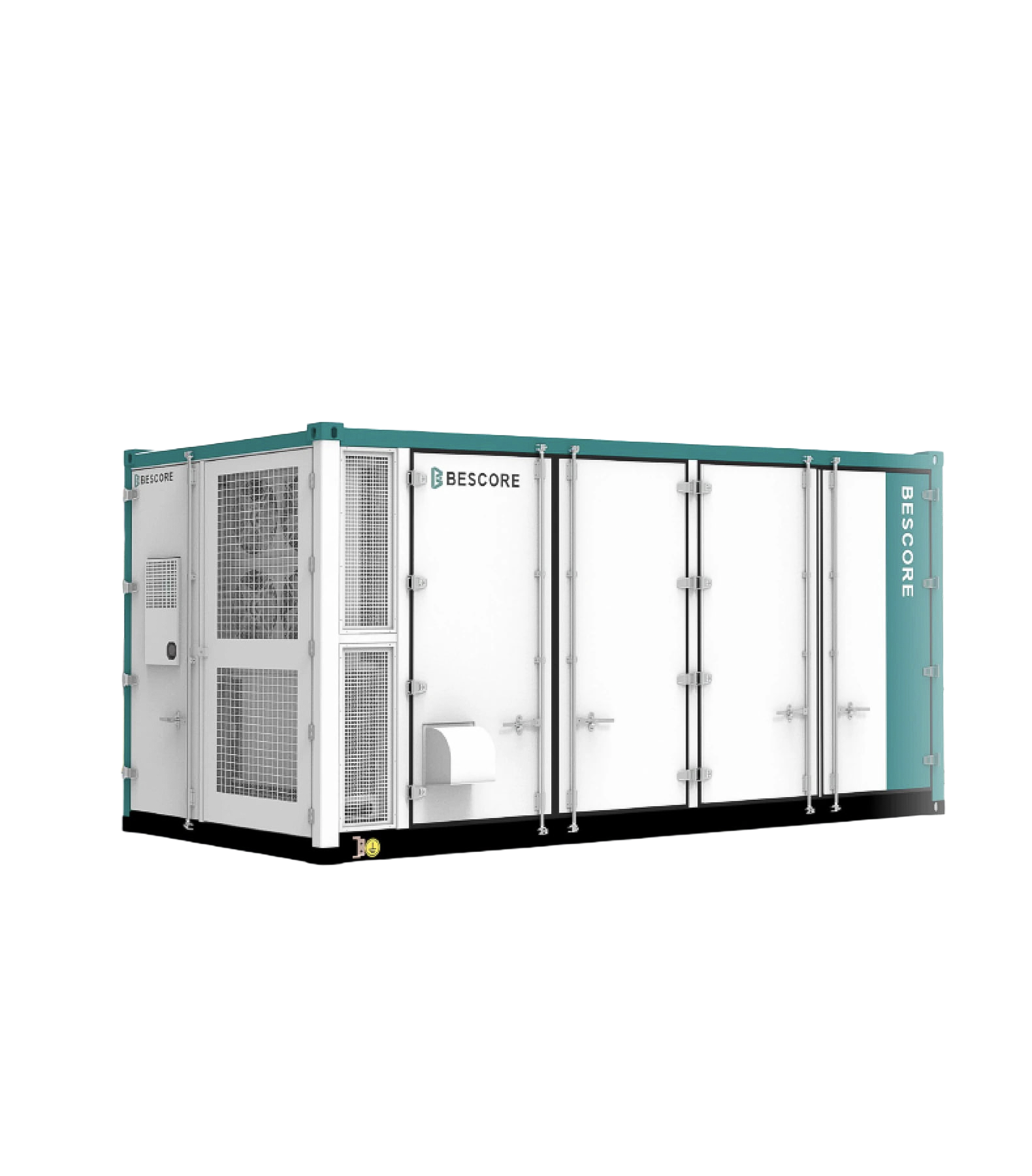 Profile-backedFidelity-safe studio treatment
BSC-CS3-2500K5000K
High-capacity liquid-cooled storage compartment.
Capacity, savings and backup duration require validated interval load, site and operating data; monthly consumption alone is insufficient.
Move from a battery-capacity guess to a defensible use case, sizing basis and project gate.
Savings, resilience, renewable integration or diesel reduction require different operating and commercial logic.
Choose the primary use case ↗Interval load, critical loads, outage history, solar or generator data, site and interconnection are foundational.
Assemble the sizing inputs ↗Model tariff, demand charges, cycling, degradation, availability, financing and avoided-cost assumptions.
Test the first assumptions ↗Define EMS priorities, protection, fire strategy, maintenance, incident response and operating ownership.
Build the operating concept ↗Check whether the load, tariff, outage, site and commercial inputs needed for a structured BESS review are available.
Start the right conversation