Service-specific measurement
Voltage, phase, wire, form and current class can be matched to the actual connection.
WHAT MAKES IT TRUERequires a controlled service schedule and approved wiring basis. METRO POWERConventional Electric MeteringDiscuss this solution ↗
Conventional Electric Metering
Electronic and electromechanical metering selected through service, form, class, accuracy, installation and utility requirements.
← Explore all Metro Power solutions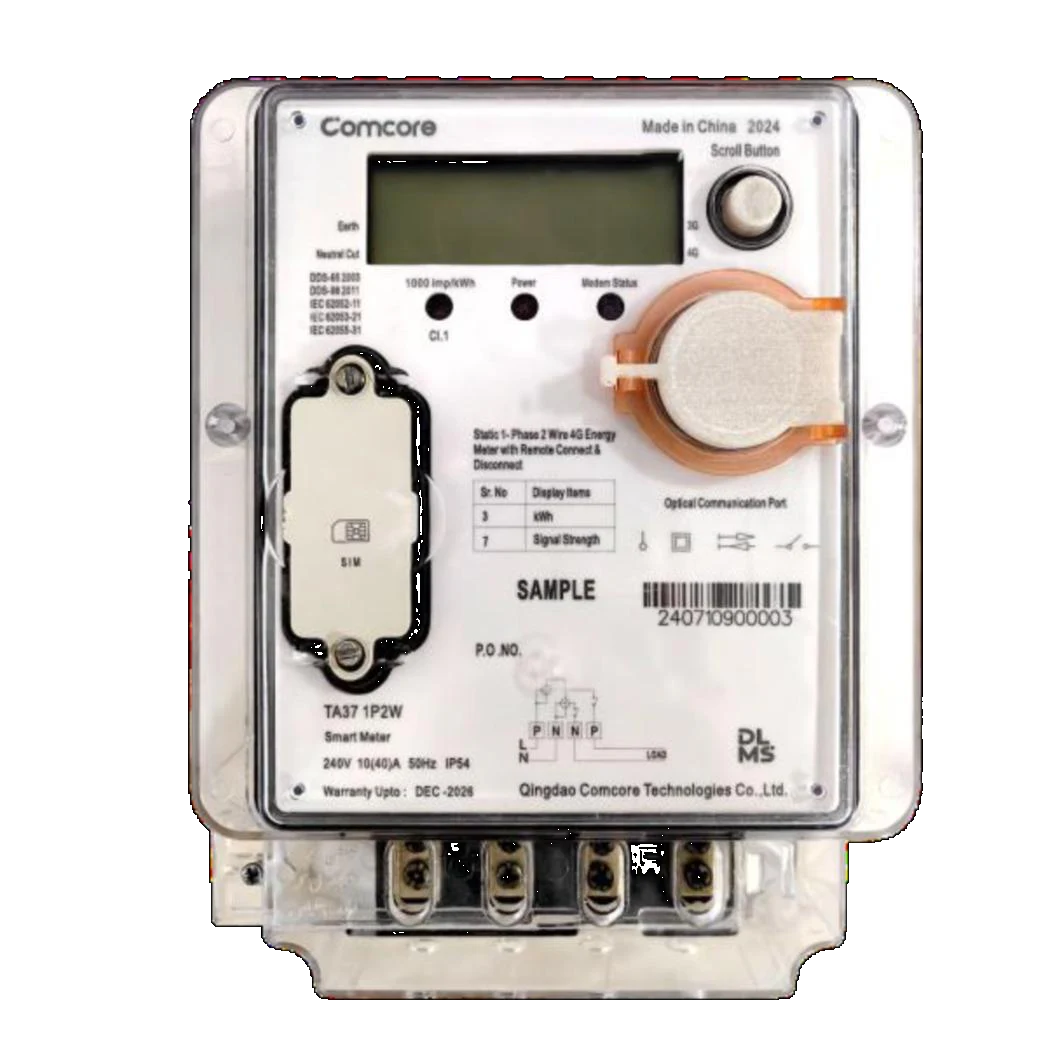
Conventional metering provides reliable revenue measurement without requiring a complete AMI communications stack. The correct meter is determined by the electrical service, socket or enclosure, current range, accuracy class, utility practice, test requirements and applicable approvals.
Conventional metering remains valuable when the complete service, measurement interface, acceptance evidence and operating record are controlled—not merely the meter model.
Voltage, phase, wire, form and current class can be matched to the actual connection.
WHAT MAKES IT TRUERequires a controlled service schedule and approved wiring basis.Accuracy, configuration and physical acceptance can be checked before field release.
WHAT MAKES IT TRUERequires current specifications, samples, test methods and acceptance authority.Serial, seal, test, installation and reading records can support a more accountable revenue chain.
WHAT MAKES IT TRUERequires disciplined asset and field-record governance.Programs can distinguish exact fit from superficially similar equipment.
WHAT MAKES IT TRUERequires service records, socket or enclosure verification and approved substitutions.The installed meter can be selected for the actual electrical configuration and expected duty.
WHAT MAKES IT TRUEFinal compatibility must be confirmed by the responsible utility or engineer.Controlled test, seal and replacement records can make meter interventions easier to trace.
WHAT MAKES IT TRUEDepends on the utility’s record and customer-communication process.Checking the complete interface before installation can reduce avoidable fit and wiring problems.
WHAT MAKES IT TRUERequires site verification rather than appearance-based selection.Reliable conventional measurement can remain useful whether or not communications are later added.
WHAT MAKES IT TRUEFuture functionality depends on the selected platform and utility plan.Follow the journey from physical equipment to the decision a customer or operator can act on.
The service configuration establishes voltage, phase, wire and current requirements.
→The socket, enclosure and instrument-transformer arrangement define the physical interface.
→The meter measures energy and supported demand, event or tamper data.
→Testing, sealing, reading and revenue-protection procedures complete the operating system.
Accurate billing starts with the complete service arrangement, not the meter name alone.
Voltage, phase, wire arrangement and current establish the service configuration the revenue-meter installation must match.
ILLUSTRATIVE OPERATING CONTEXTService and meter form are matched
Revenue energy is recorded
Testing, sealing and billing close the chain
This visual explains system behavior. Final performance depends on approved design, field conditions, configuration and operating discipline.
Use this short film as orientation, then continue into the system architecture, technical lesson or readiness action.
Connect service, form, meter, instrument transformers, installation and evidence into one configuration.
We close the gaps between the manufacturer’s product, Philippine site conditions and the people who must operate the system.
A solution is complete only when technical behavior, project evidence and operating ownership remain connected.
Approved service and technical schedule
Model-specific ERC, factory and utility records
Commissioning and identity reconciliation
In-service tests, seal history, exceptions and controlled removal
Match approval and test evidence to the exact identity.
Control CT/PT, burden, wiring, constants and environment.
Reconcile serial, account, ratios, multiplier and location.
Product and equipment references presented in a consistent engineering-grade system. Every visual now states what kind of source it is; choose by operating requirement, not appearance alone.
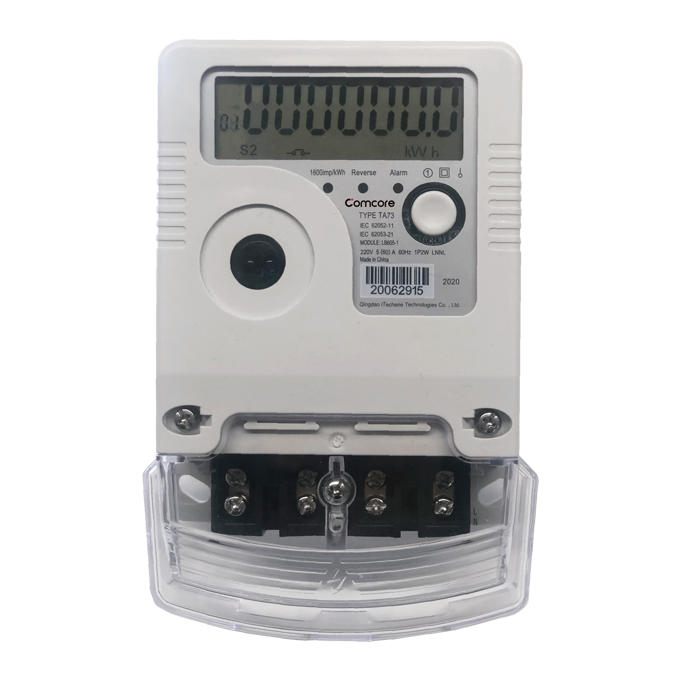 Profile-backedCurrent product image
TA73 Series
Compact platform for dependable conventional or locally read applications.
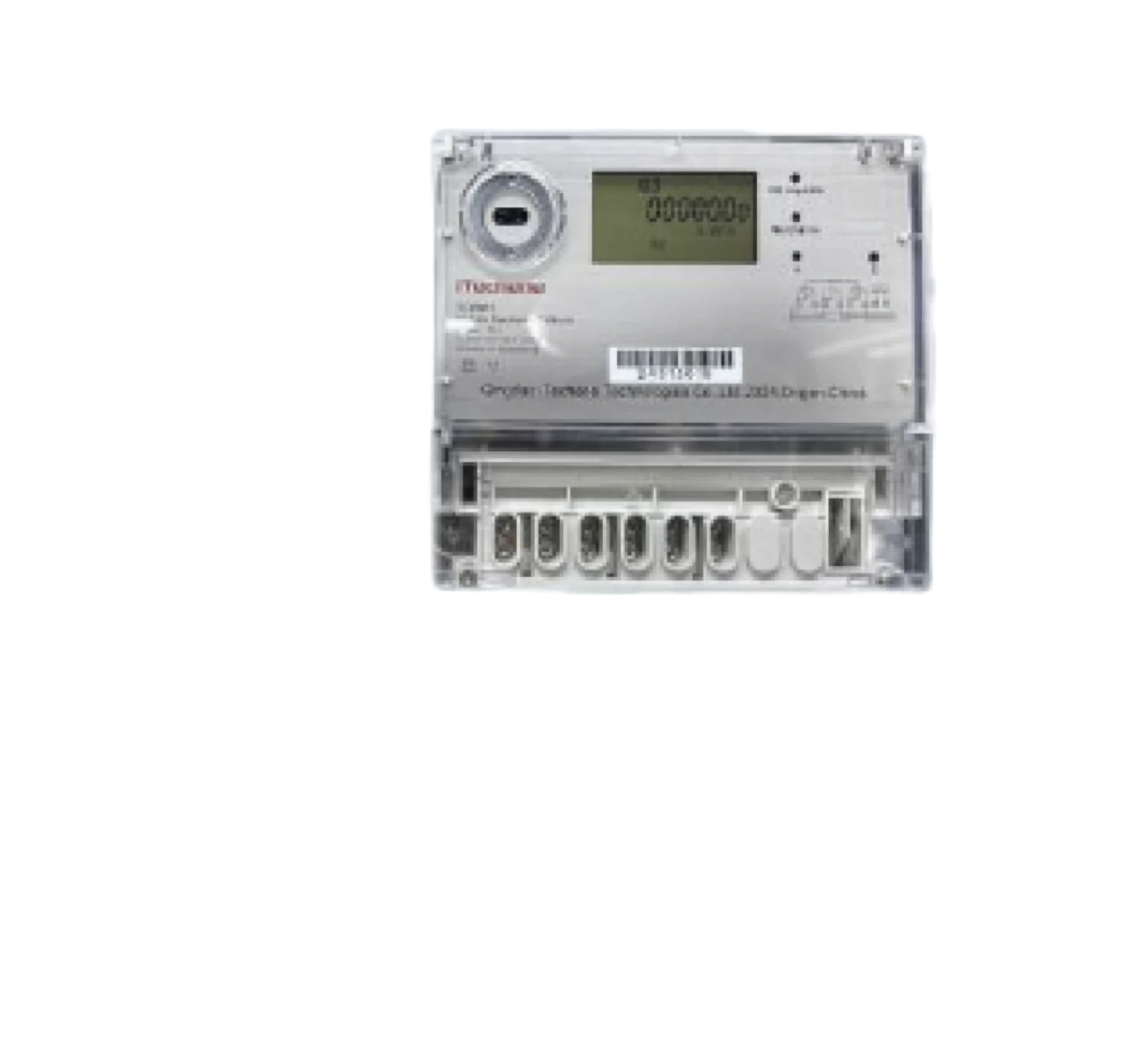 Profile-backedFidelity-safe studio treatment
TC78 Series
Three-phase platform for direct-connected utility and commercial applications.
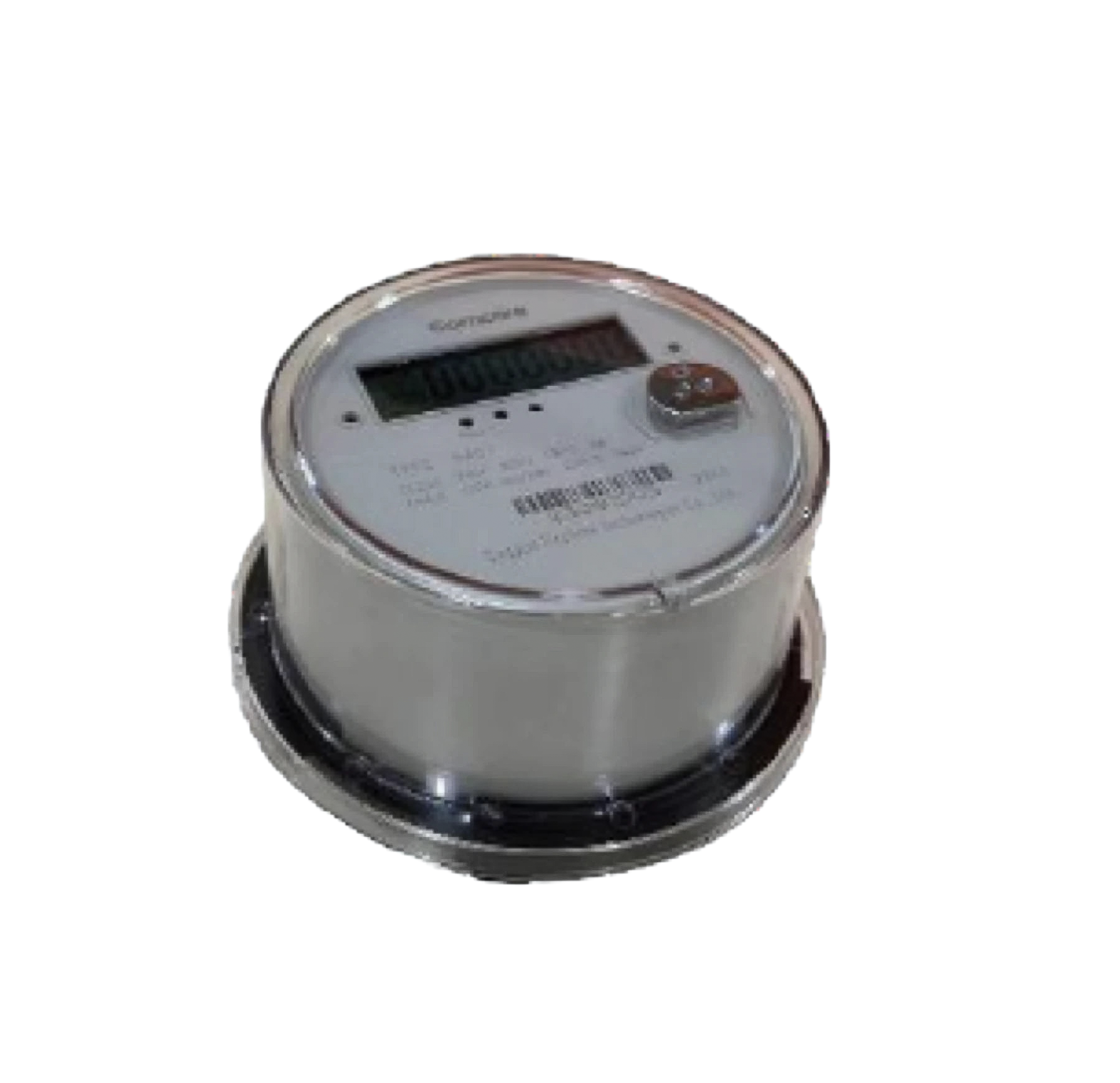 Profile-backedFidelity-safe studio treatment
NA67 Series
Round-format platform for socket-based ANSI service configurations.
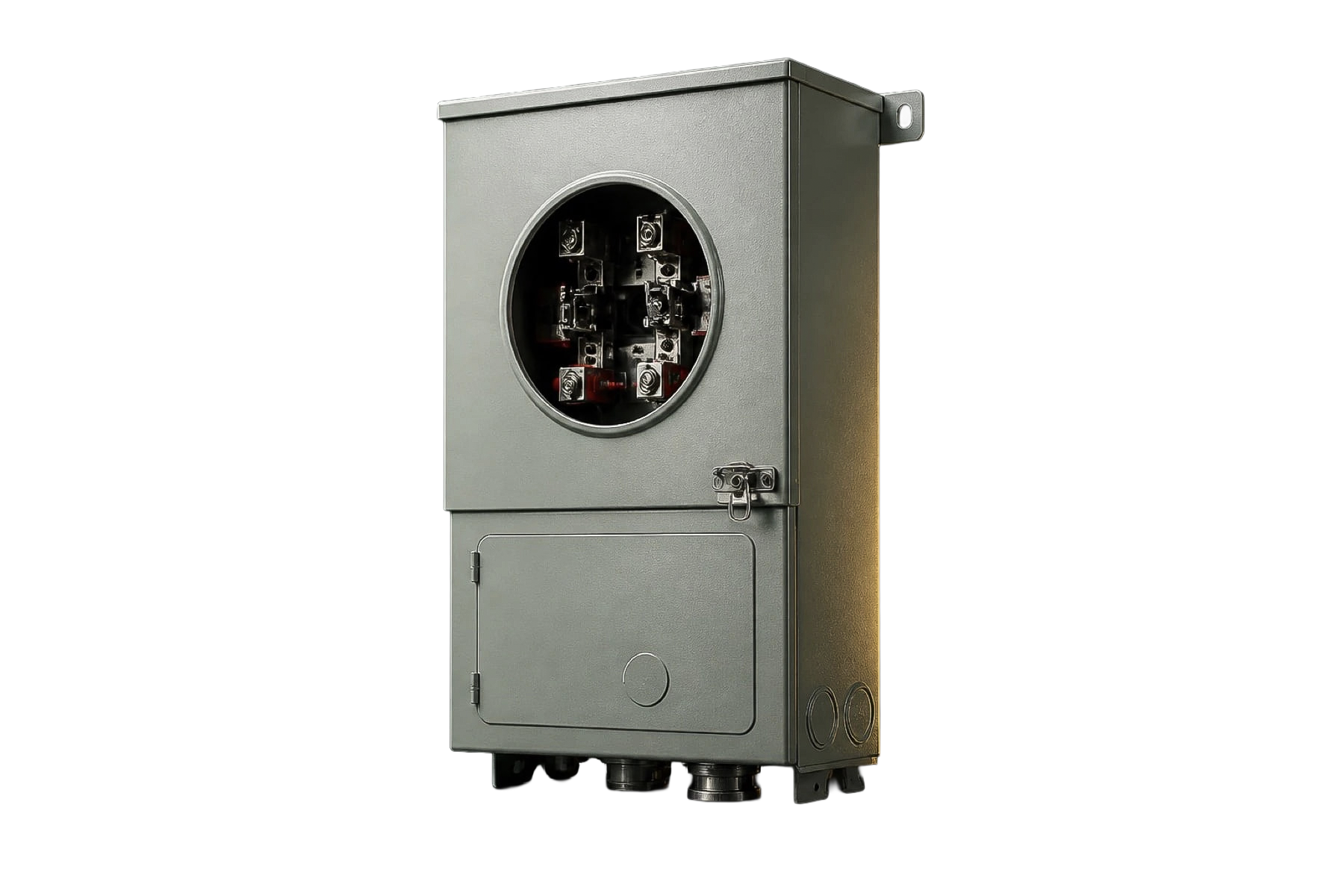 Configuration-controlledFidelity-safe studio treatment
Project-configured
Sockets, bases, boxes and accessories matched to the approved installation.
Exact conventional-meter configuration, approvals, test evidence and accessory compatibility must be confirmed against the utility’s current controlling specification.
Move from a familiar meter name to an exact, testable and compatible revenue-meter configuration.
Voltage, phase, wire, current, form and account type establish the meter family.
Define the service configuration ↗Socket, enclosure, terminals, CT or PT ratios, burden, accuracy and sealing must align.
Prepare the technical schedule ↗Approved specification, samples, tests, certificates, programming and delivery allocation must be traceable.
Submit the current specification ↗Reading, testing, sealing, installation, maintenance and revenue-protection procedures complete readiness.
Confirm operating acceptance ↗Start the right conversation