Meter-to-bill control
Scheduled reads, validation and exception workflows can strengthen billing evidence.
 METRO POWERAMI ExperiencePlan your next step ↗
AMI guidance for Philippine electric cooperatives
See the complete system. Find your readiness gaps. Choose the responsible next step before committing to technology.
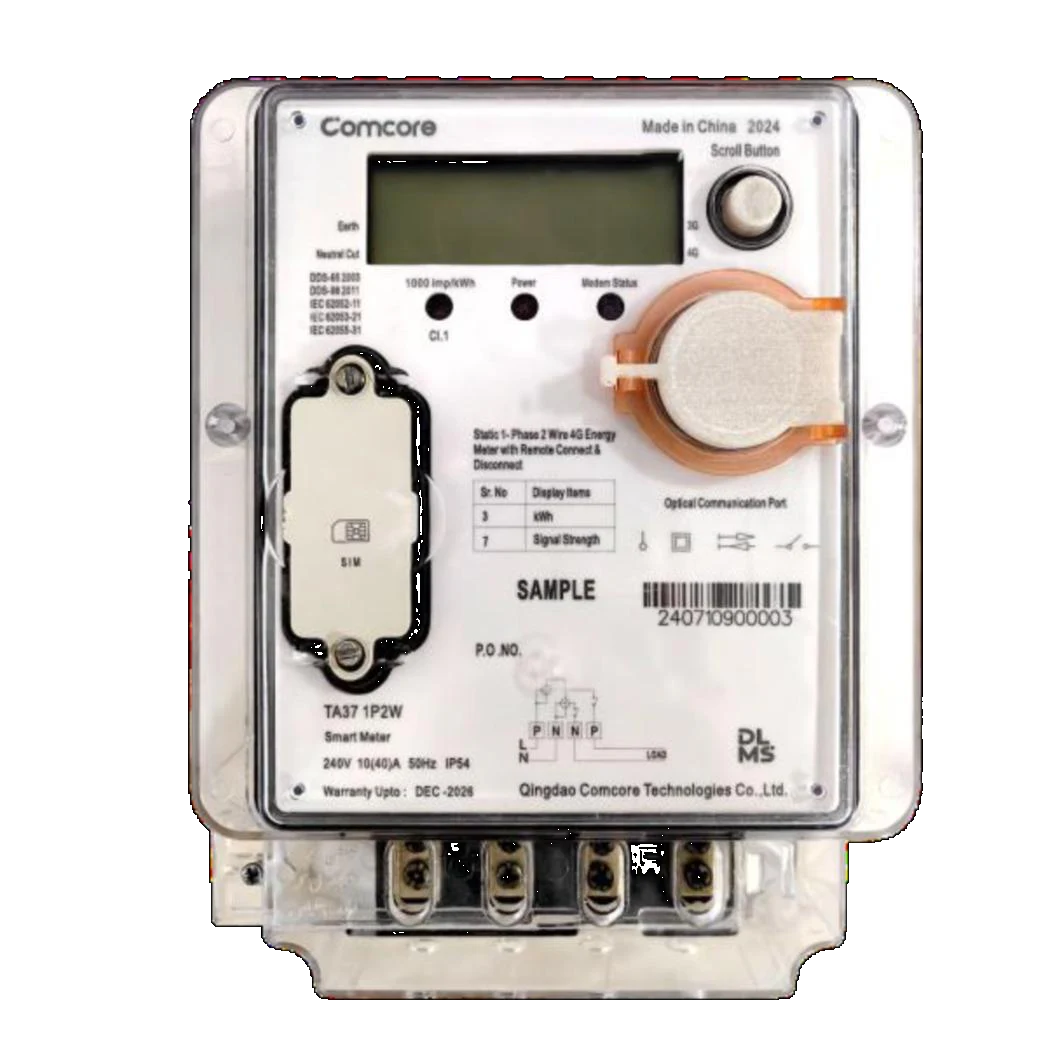 METER
METERConsumption, interval profiles and supported events begin at the customer connection.
AMI connects meters, two-way communications, collection platforms, data management and utility workflows into one operating system.
The practical test: if the information does not improve billing, loss investigation, service or planning, the project has installed technology without creating enough operating value.
Choose a perspective to see how the same field-to-system architecture can improve utility work and the customer relationship. Benefits depend on the deployed functions, integrations and operating procedures.
Scheduled reads, validation and exception workflows can strengthen billing evidence.
Interval data and events can help teams focus investigation where evidence points.
Supported outage and device events can reach responsible teams sooner.
Authorized functions can reduce selected field visits when controls are in place.
A smart meter is only the beginning. Scroll through the path from the customer connection to a utility decision, and the governed command that can travel back.
SCROLL TO ASSEMBLE THE ARCHITECTURE ↓The smart meter records energy, demand, interval profiles, supported events and tamper conditions at the point of service.
THE NEXT HANDOFF MUST ALSO SUCCEEDRF Mesh, Wi-SUN, PLC or cellular carries field information through a network selected for actual terrain, density and coverage.
THE NEXT HANDOFF MUST ALSO SUCCEEDWhere the architecture requires it, the concentrator manages local meter traffic and maintains a controlled utility uplink.
THE NEXT HANDOFF MUST ALSO SUCCEEDThe HES manages devices, schedules reads, handles exceptions and governs authorized communication with the field.
THE NEXT HANDOFF MUST ALSO SUCCEEDThe MDMS validates, estimates, stores and prepares trusted meter data for billing, analytics and other utility systems.
THE NEXT HANDOFF MUST ALSO SUCCEEDNamed teams use the information for billing, loss investigation, outage awareness, customer service and network planning.
VALUE REQUIRES A NAMED WORKFLOW OWNERUse this short film as orientation, then continue into the system architecture, technical lesson or readiness action.
Follow the complete AMI chain from field measurement to communications, HES, MDMS and utility action.
Choose a utility scenario. The simulation follows evidence from the field through platform control to an accountable operating response. It also exposes the human ownership required at every step.
The end-to-end architecture shows how information moves. This next view explains what each operating layer must contribute, and where weak design decisions can break the outcome.
01 / Field intelligence
Smart meters capture consumption, interval profiles, events and supported tamper conditions at the consumer connection.
A.M.P.E.R.E. structures 13 phases of evidence and decisions before a utility treats AMI as a procurement or scaling exercise.
Explore the complete A.M.P.E.R.E. framework ↗Select only what is true today. This is a conversation guide, not a final engineering assessment.
A credible AMI pilot tests representative field conditions and the complete operating chain. Its purpose is to reduce uncertainty before scale, not to create a small demonstration that avoids the difficult conditions.
Build a preliminary pilot brief ↗Agree on the operating problem, stakeholders, baseline and questions the pilot must answer.
Select service types, geography, communications conditions and consumer profiles that reflect rollout risk.
Test meter, network, HES, MDMS, integrations, exceptions, workflows and support, not hardware alone.
Use agreed methods for data delivery, billing acceptance, events, commands, ownership and issue closure.
Scale, redesign, extend or stop based on evidence, unresolved risks and lifecycle implications.
The TOR, service configuration and communications study control final selection. These are starting points, not automatic recommendations.
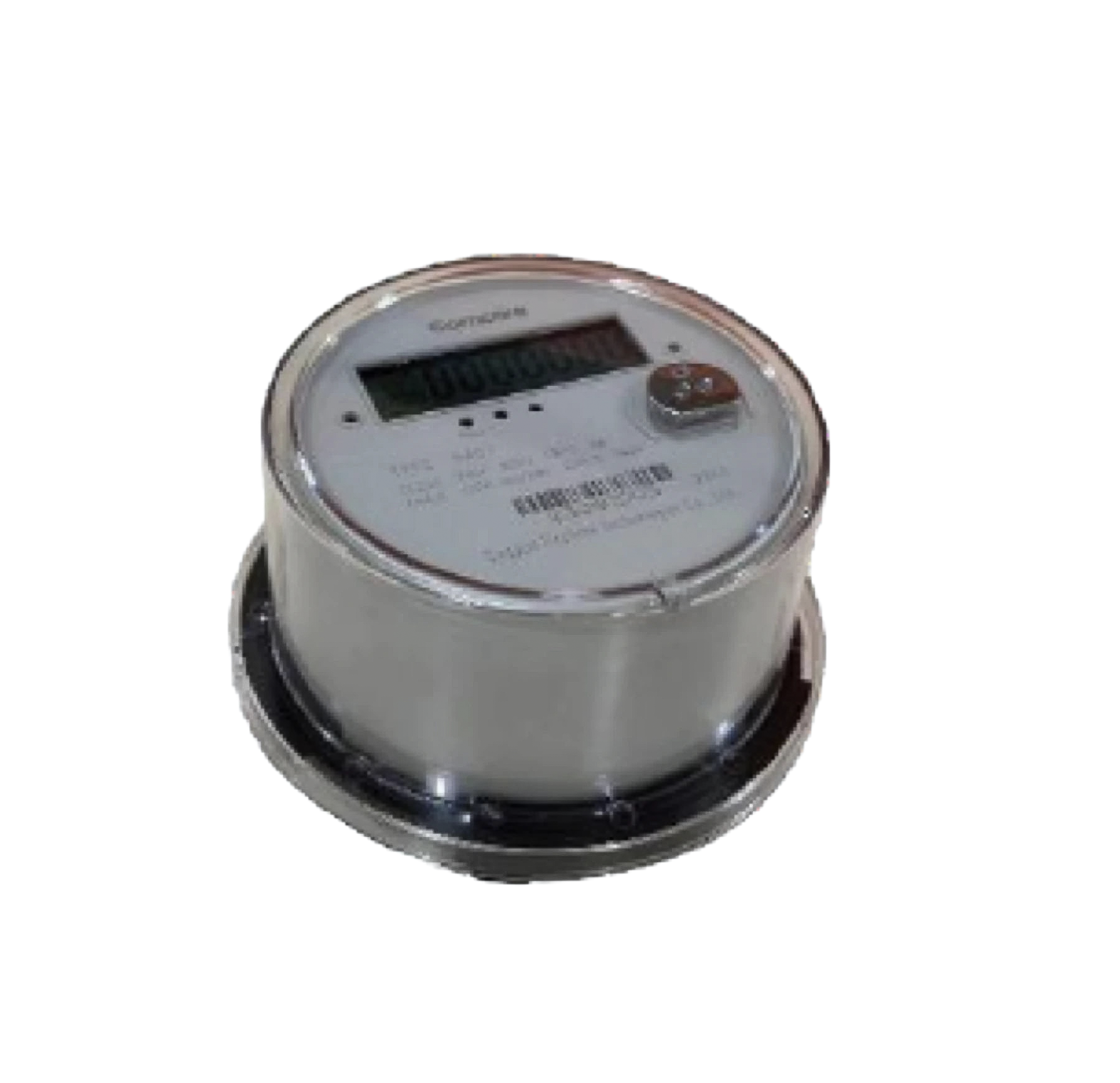 01OPEN PRODUCT ↗
ANSI utility applications
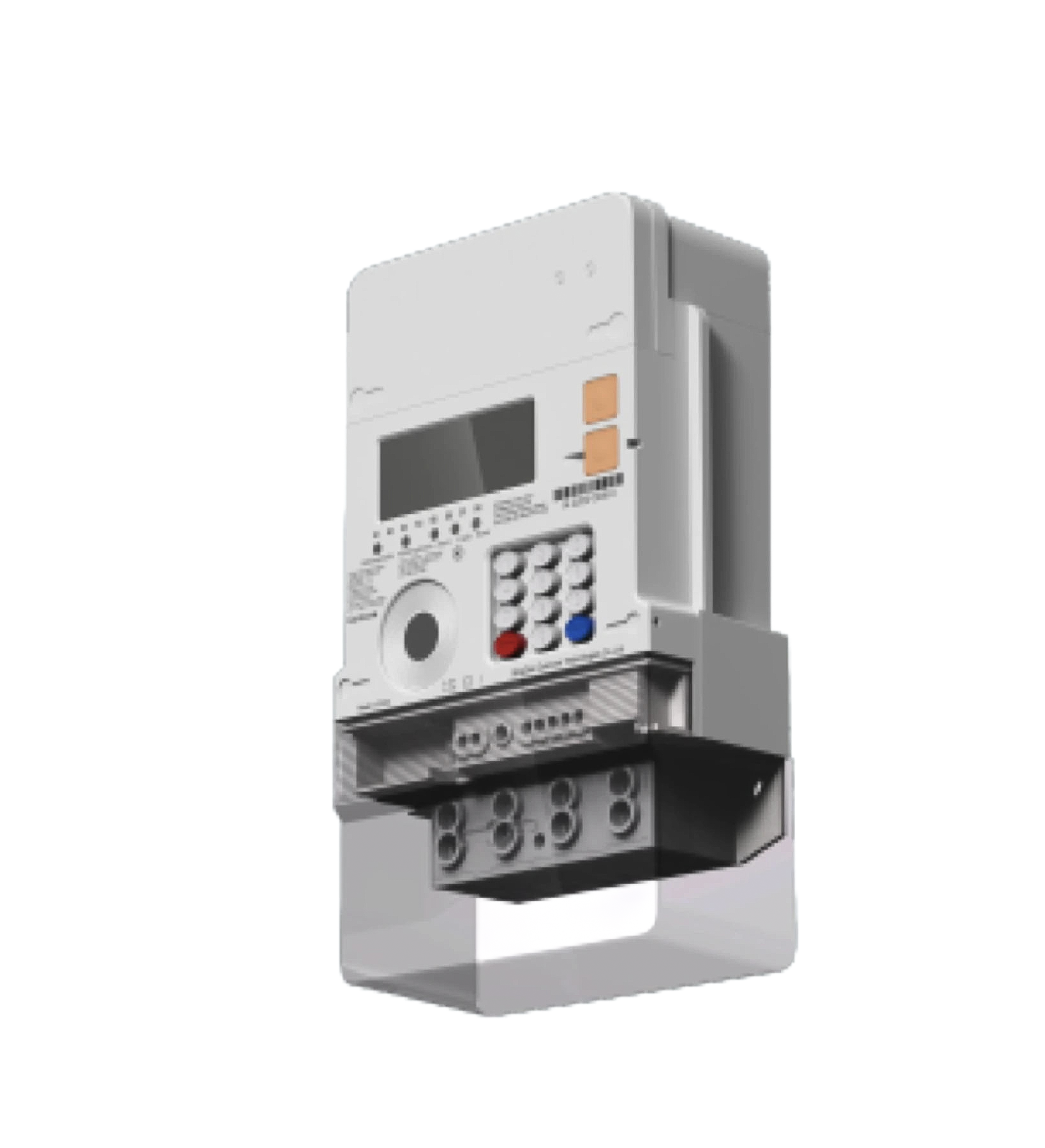 02OPEN PRODUCT ↗
Residential AMI and prepayment
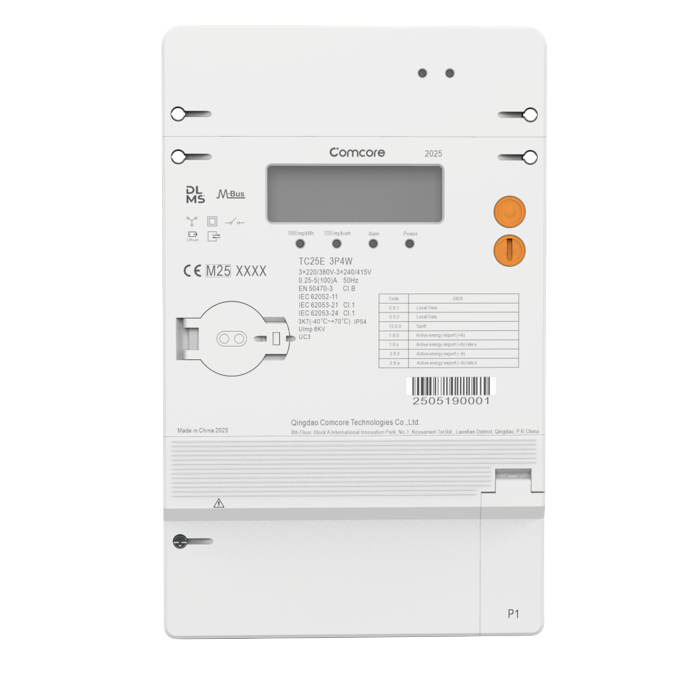 03OPEN PRODUCT ↗
Three-phase AMI applications
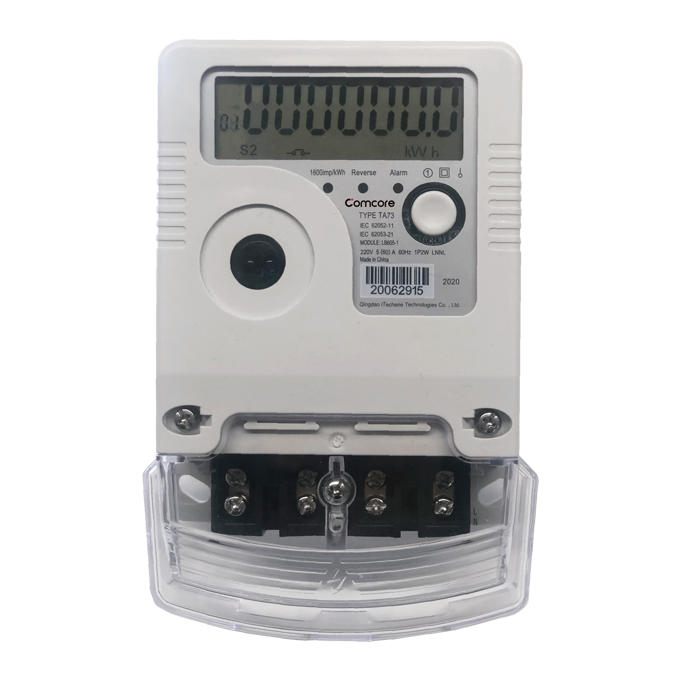 04OPEN PRODUCT ↗
Conventional or connected
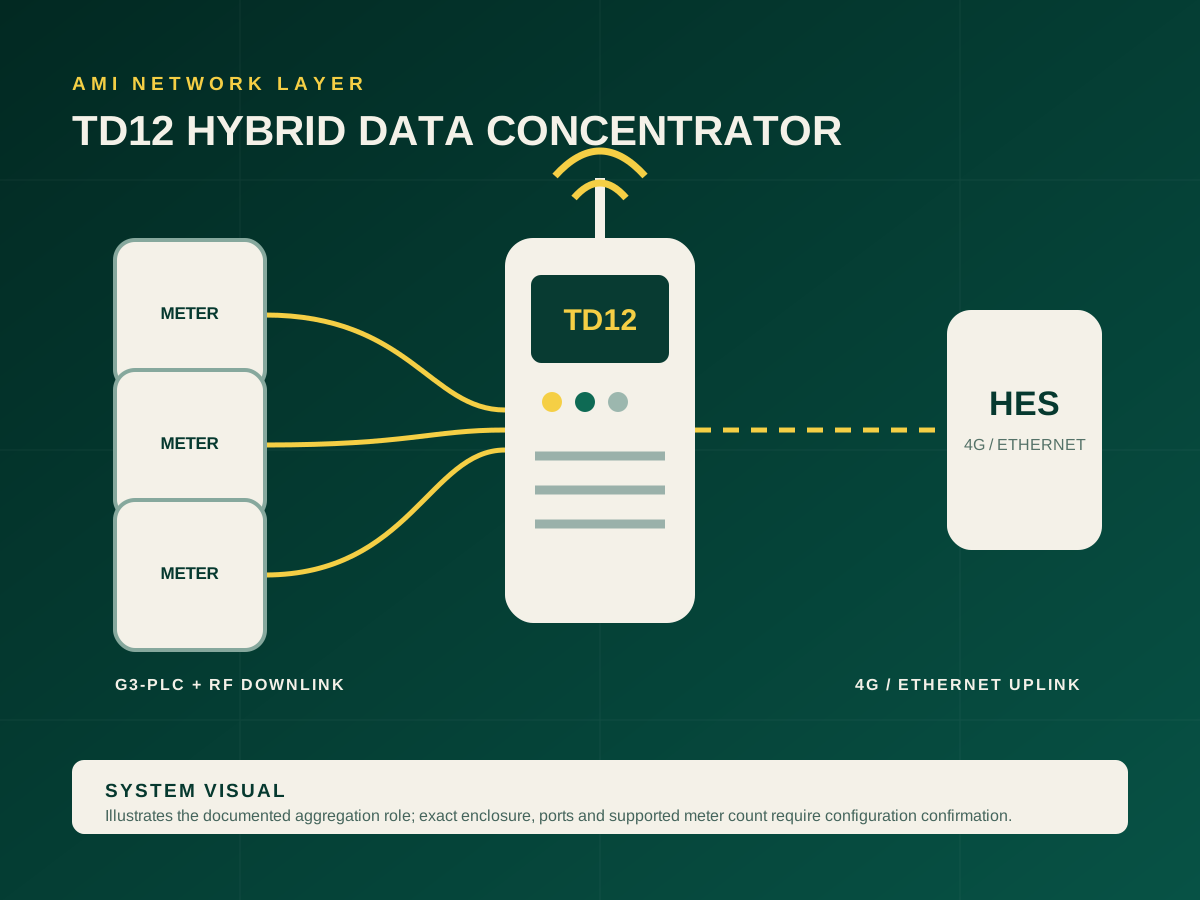 05OPEN PRODUCT ↗
Compatible meter aggregation
Principal deployment history is not presented as a Metro Power installation. Our role is explicit.
Documented Latin America case using MDMS, HES and multiple meter brands.
Documented Guangxi case covering 40 AMI systems and more than 20 meter brands.
Readiness, TOR compliance, pilot design, logistics, commissioning, training and principal escalation.
Reference figures come from Comcore's company profile and are principal references, not Metro Power project claims.
Clear answers help management and engineering discuss the same project, not different versions of it.
No. Smart meters are one field component. AMI also requires communications, HES, MDMS, integrations, cybersecurity, operating procedures and responsible ownership.
Usually, but only when the pilot has defined technical and operating questions, measurable success criteria and a decision gate for what happens next.
There is no universal answer. Density, terrain, interference, power-line conditions, cellular coverage, data frequency and lifecycle cost must be assessed together.
AMI can improve the evidence used to locate and manage loss. The result depends on data quality, network mapping, analytics and utility processes that act on the information.
Start with the meter population, service configurations, pilot geography, current reading and billing process, integrations, operating problems and desired outcomes.
Your AMI journey starts with evidence
Metro Power can begin with executive education, an A.M.P.E.R.E. readiness workshop, pilot planning or formal TOR review. We will not force the project into the wrong stage.