 METRO POWERProduct intelligenceSend a request ↗
Electric Metering & AMI
TC31
Three-phase CT-operated smart meter
Three-phase four-wire meter for services metered through current transformers (CTs), typically larger commercial and industrial accounts.
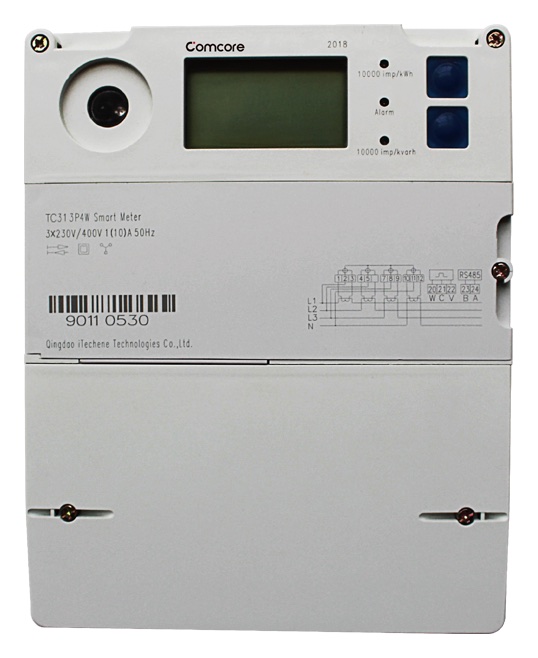
PRODUCT STUDIOTC31Product image from the available source. Confirm the exact model, ratings, dimensions and interfaces by document.
IMAGE REFERENCEManufacturer product photographThis image supports product identification. Metro Power confirms ratings, dimensions, interfaces and compliance using the applicable documents.
Electric Metering & AMI
TC31Three-phase CT-operated smart meter
- 01
- 3 x 57.5/100 V or 3 x 230/400 V; 1(10) A CT-operated; 50/60 Hz as published
- 02
- Optical, RS485, PLC or GPRS communications; DLMS
- 03
- Current-transformer connection for loads above direct-connected ratings
Figures as the principal publishes them. Product image for identification, not an installation.
Where the meter sits, and what carries its reads.
A meter is the last piece of equipment before the customer and the first link in the utility's data chain. Both paths have to be confirmed for the offered model.

Power path
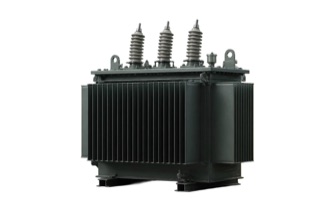
- Distribution transformerSteps the feeder down to the service voltage.
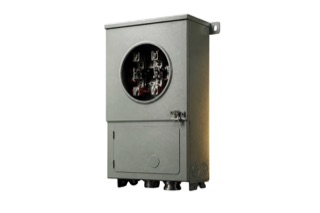
- Meter base or enclosureHolds, seals and protects the meter.
- This productTC31Measures the energy the customer takes, and the events that matter for billing.
- Customer supplyResidential, commercial or industrial service.
Data path
- From the TC31Reads, events and, where fitted, relay commands.
- Data concentratorCollects an area where the network uses one.
- Head-end and MDMSThe head-end gathers reads; meter data management validates them for billing.
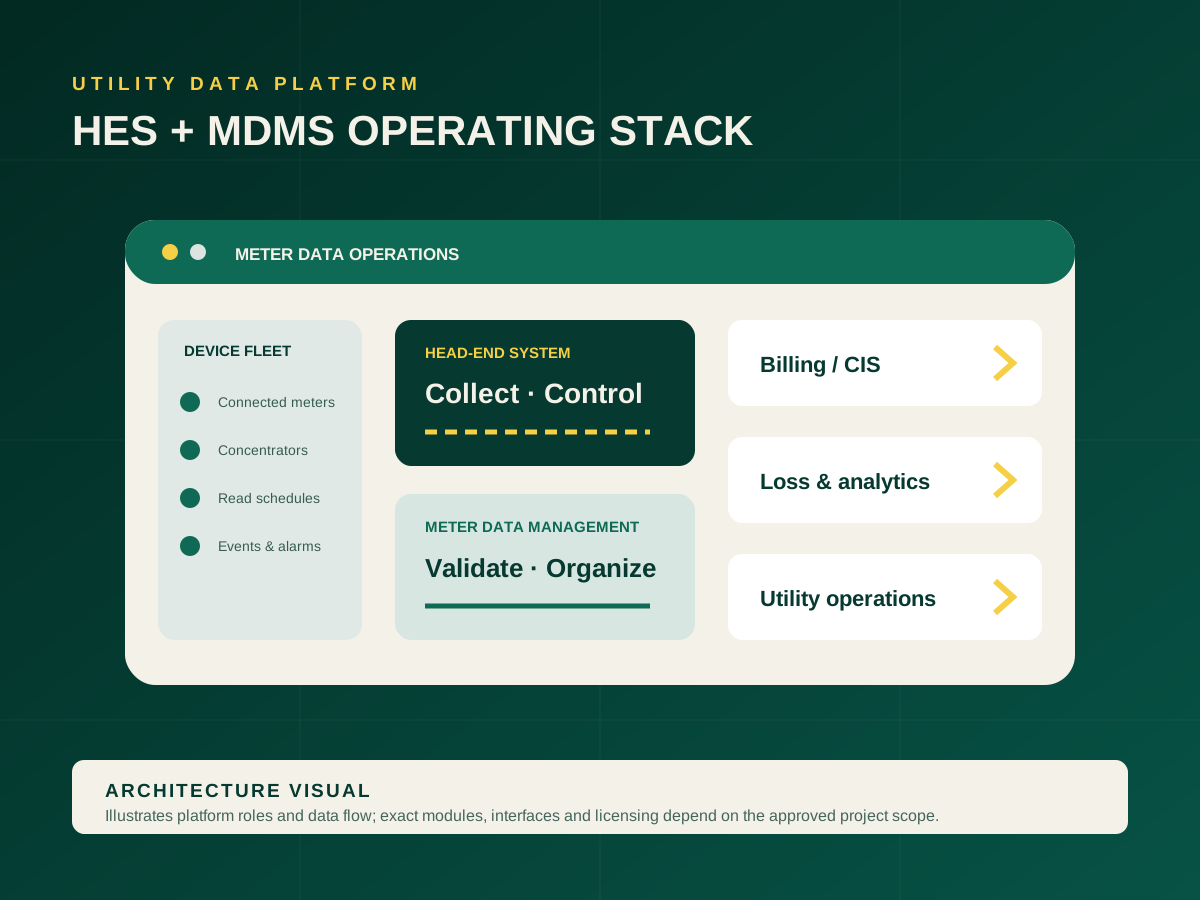
PowerDataReal product photographDrawn: equipment Metro Power does not supply
Options and differences
Three ways reads reach the utility
Which one applies depends on the communications fitted to this model. Metro Power confirms it against the datasheet.
- Through a data concentrator
Meters talk over power-line carrier or radio to a concentrator for their area; one backhaul link serves many meters. Suits dense service areas.
- Direct cellular
Each meter carries its own cellular module and reports straight to the head-end. No field collection hardware, but a data plan per meter and signal at every service point.
- Read on site
An optical port read with a handheld. No network cost, and no remote reads, alarms or relay control between visits.
Priority meter evidence package
A credible meter decision needs more than a polished front view.
This AMI and conventional-meter package defines the minimum evidence chain Metro Power should assemble for the exact unit before technical or commercial release.
Front, nameplate and model identity matched to the offered unit
Service form, voltage, current class, wiring and installation arrangement
Terminal, communications, relay, optical and accessory evidence as applicable
Controlled datasheet, drawing, certificates and principal confirmation
TOR matrix, approved configuration, test evidence and offer revision aligned
Known product facts
What the current reference supports.
These facts help determine whether the product deserves further review. They are not a complete compliance matrix or project approval.
01 3 x 57.5/100 V or 3 x 230/400 V; 1(10) A CT-operated; 50/60 Hz as published
02 Optical, RS485, PLC or GPRS communications; DLMS
03 Current-transformer connection for loads above direct-connected ratings
04 IP54
Each fact is supported at the evidence level shown above (product reference available). Confirm the exact model code, option, revision and controlling TOR before using any fact in a compliance statement, offer or installation decision.
Professional documentation
One product identity. Five controlled evidence gates.
This schedule shows what the public record supports and what Metro Power must still match before the product becomes a technical or commercial commitment.
ControlCurrent public recordProject release requirementStatus
IdentityTC31 · Three-phase CT-operated smart meterExact model code, production revision and option scheduleProduct reference available
ApplicationThree-phase four-wire meter for services metered through current transformers (CTs), typically larger commercial and industrial accounts.Approved service, duty, site and operating useApplication review
Technical facts3 x 57.5/100 V or 3 x 230/400 V; 1(10) A CT-operated; 50/60 Hz as published · Optical, RS485, PLC or GPRS communications; DLMS · Current-transformer connection for loads above direct-connected ratings · IP54Controlled datasheet and requirement-by-requirement compliance matrixConfiguration check
Information to prepareControlling terms of reference (TOR) and meter population · Service type, voltage, frequency, form and class · Pilot geography and communications study · Billing and customer information system (CIS) integration requirements · Cybersecurity and data rules · Success measures and rollout gateDrawings, terminals, communications, accessories and system interfacesEvidence required
Approval and supplyNot shown on this pageCurrent certificates, test records, principal confirmation, availability and deliveryRelease before offer
An image starts identification. Controlled evidence completes selection.
Application context
Where this product family may enter the system.
Application fit depends on the exact service, duty, operating objective and approved configuration. Use these as discovery prompts, not automatic recommendations.
Configuration gate
What must be confirmed before an offer.
Exact form, class, voltage, current, reference frequency, relay, protocol, communications, certification and firmware are confirmed in a project compliance matrix. Philippine service is 60 Hz; a model published for 50 Hz only is not offered until a 60 Hz variant is confirmed with the principal.
Understand the complete system architecture ↗- 01Controlling terms of reference (TOR) and meter population
- 02Service type, voltage, frequency, form and class
- 03Pilot geography and communications study
- 04Billing and customer information system (CIS) integration requirements
- 05Cybersecurity and data rules
- 06Success measures and rollout gate
From product interest to a controlled offer.
Requirement
Confirm the operating need, service, site and controlling specification.
Configuration
Match ratings, options, communications, interfaces and accessories.
Evidence
Check datasheet revision, compliance, certificates and confirmation gaps.
Offer gate
Release price and delivery only against the approved configuration.
Related within Electric Metering & AMI
Compare before you narrow.
Adjacent products may serve different ratings, service arrangements or operating requirements. Open each record or use the portfolio comparison tool.
01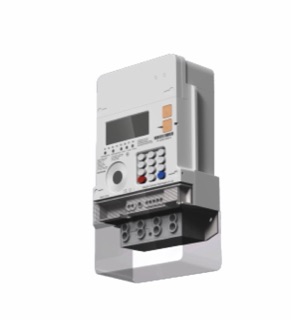 Initial product informationTA15 SeriesSingle-phase smart meter↗02
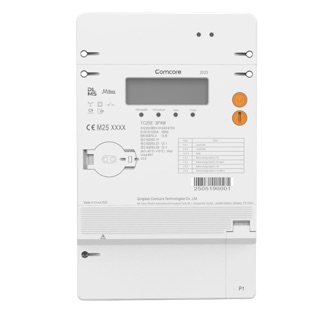 Initial product informationTC25E SeriesThree-phase smart meter↗03
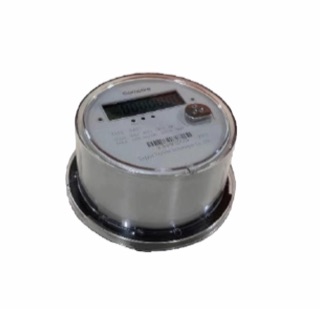 Initial product informationNA67 SeriesANSI round smart meter↗
Compare the Electric Metering & AMI portfolio ↗Initial product informationTA15 SeriesSingle-phase smart meter↗02Initial product informationTC25E SeriesThree-phase smart meter↗03Initial product informationNA67 SeriesANSI round smart meter↗CONTROLLED DOCUMENT REQUEST
Send a request ↗Need the current datasheet or compliance evidence?
Metro Power will match the document revision, model and configuration to your requirement before release. Tell us the decision, TOR or application the document must support.